

Search Engine Optimization (SEO) is one of the most powerful digital marketing strategies for improving website visibility on Google. Every day, millions of people search online for products, services, answers, and businesses. Websites that appear on the first page of Google usually receive the most traffic, clicks, and customers.
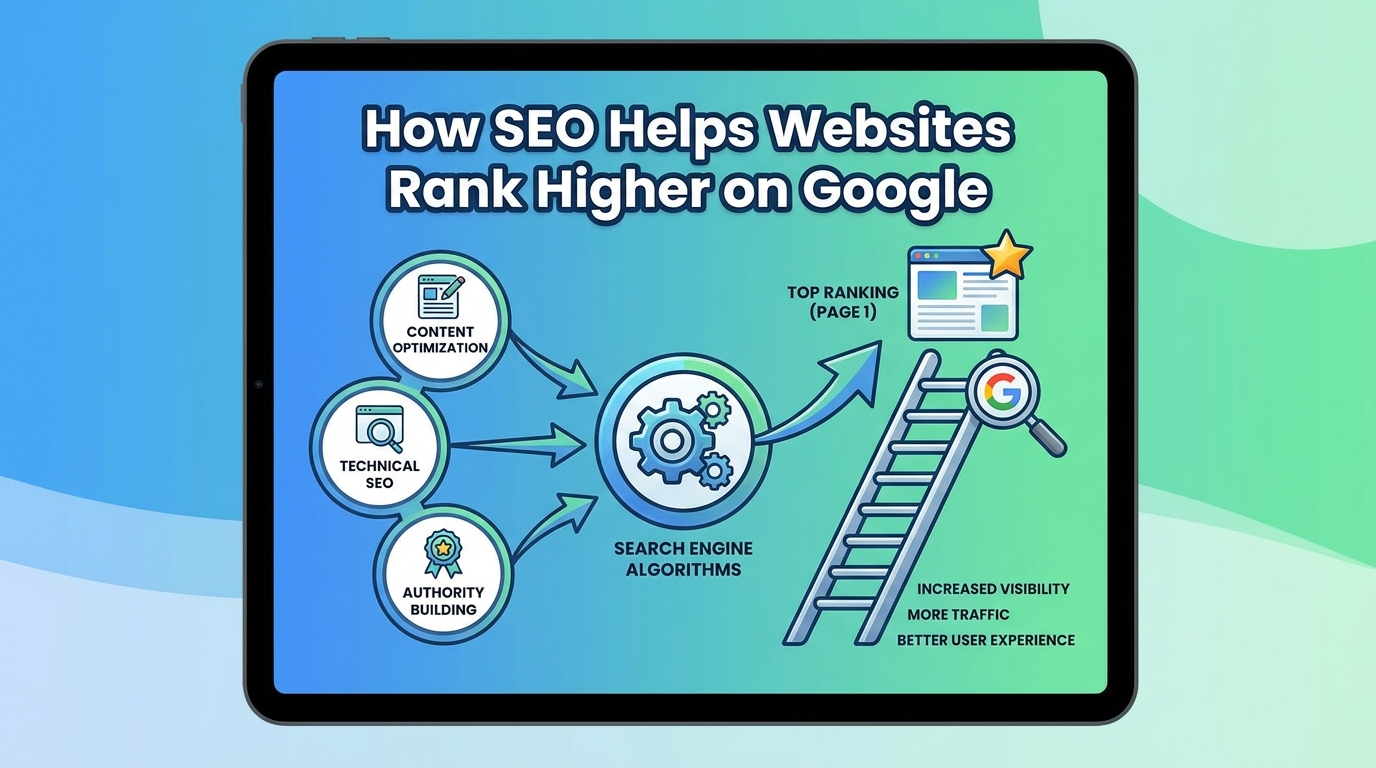
SEO helps websites rank higher by improving content quality, website structure, user experience, and search engine relevance. Whether you own a blog, online store, business website, or freelance portfolio, understanding SEO can significantly increase your online success.
In this guide, you will learn how SEO works, why it matters, and the most important strategies for ranking higher on Google.
What Is SEO?
SEO stands for Search Engine Optimization. It is the process of improving a website so search engines like Google can understand, index, and rank it more effectively.
The goal of SEO is to increase organic traffic, which means visitors who find your website naturally through search results instead of paid advertisements.
Benefits of SEO
- Higher Google rankings
- Increased website traffic
- Better user experience
- More leads and sales
- Long-term online growth
- Increased brand visibility
SEO is considered one of the most cost-effective digital marketing methods because it generates long-term traffic without continuous advertising costs.
Why Google Rankings Matter
Most users rarely go beyond the first page of Google results. Websites ranked at the top usually receive the majority of clicks.
Higher rankings can lead to:
- More visitors
- More customers
- Better credibility
- Increased revenue
Businesses that ignore SEO often struggle to compete online.
How Google Works
Google uses automated systems called crawlers or bots to scan websites across the internet.
The process includes:
- Crawling websites
- Indexing pages
- Ranking content based on relevance and quality
Google’s algorithm evaluates many factors before deciding which websites deserve top positions.
1. Keyword Optimization
Keywords are the words and phrases people search for on Google.
For example:
- “Best digital marketing strategies”
- “Freelance web developer”
- “How to learn SEO”
SEO helps websites rank higher by strategically using relevant keywords throughout content.
Where to Use Keywords
- Page titles
- Headings
- URLs
- Meta descriptions
- Image alt text
- Article content
Keyword Research Tools
Choosing the right keywords helps Google understand your content better.
2. High-Quality Content
Content is one of the most important ranking factors in SEO.
Google prefers content that:
- Provides useful information
- Answers user questions
- Is well-structured
- Is original and trustworthy
Good SEO Content Includes
- Clear headings
- Relevant keywords
- Easy readability
- Helpful explanations
- Updated information
Websites with high-quality content usually rank higher because they offer better value to users.
3. On-Page SEO
On-page SEO refers to optimizing elements directly inside your website pages.
Important On-Page SEO Elements
Title Tags
Titles should include important keywords and clearly describe the page.
Meta Descriptions
Short descriptions that encourage users to click your website.
Header Tags
Using H1, H2, and H3 headings improves content structure.
Internal Links
Linking to related pages helps Google understand website structure.
Image Optimization
Using descriptive alt text improves accessibility and SEO.
On-page SEO makes websites easier for both users and search engines to understand.
4. Website Speed and Performance
Google prefers fast-loading websites because users dislike slow experiences.
Slow websites can:
- Increase bounce rates
- Reduce conversions
- Lower rankings
Ways to Improve Website Speed
- Compress images
- Use fast hosting
- Reduce unnecessary scripts
- Enable caching
Website Speed Tools
Fast websites improve both SEO performance and user experience.
5. Mobile Optimization
Most internet users browse websites on smartphones.
Google uses mobile-first indexing, meaning it mainly evaluates mobile versions of websites for rankings.
Mobile SEO Tips
- Use responsive design
- Improve mobile speed
- Avoid difficult navigation
- Make buttons easy to click
A mobile-friendly website is essential for modern SEO success.
6. Backlinks and Website Authority
Backlinks are links from other websites pointing to your website.
Google considers backlinks a sign of trust and authority.
Why Backlinks Matter
- Improve website credibility
- Increase authority
- Help pages rank higher
Ways to Build Backlinks
- Guest blogging
- Creating valuable content
- Sharing research or guides
- Networking with websites
Quality backlinks are more important than quantity.
7. User Experience (UX)
Google wants users to have positive experiences when visiting websites.
Factors affecting user experience include:
- Easy navigation
- Clear design
- Fast loading speed
- Helpful content
- Mobile compatibility
Websites that satisfy users often perform better in search rankings.
8. Technical SEO
Technical SEO focuses on improving the backend structure of websites.
Important Technical SEO Areas
- XML sitemaps
- Secure HTTPS connections
- Broken link fixes
- Crawlability
- Structured data
Technical SEO helps search engines access and understand websites more efficiently.
9. Local SEO
Local SEO helps businesses appear in location-based searches.
For example:
- “Coffee shop near me”
- “Web design company in Amman”
Local SEO Strategies
- Create a Google Business Profile
- Use local keywords
- Collect customer reviews
- Add location information
Google Business Profile
Local SEO is essential for small businesses serving specific areas.
10. Content Updates and Consistency
Google prefers websites that stay active and updated.
Why Updating Content Matters
- Keeps information accurate
- Improves rankings
- Increases user trust
Regularly publishing blog posts and updating old pages can improve SEO performance over time.
Common SEO Mistakes
Keyword Stuffing
Using too many keywords unnaturally can hurt rankings.
Duplicate Content
Copied content reduces credibility and SEO performance.
Ignoring Mobile Optimization
Mobile usability strongly affects rankings.
Poor Website Structure
Confusing navigation makes indexing difficult.
Buying Low-Quality Backlinks
Spam backlinks can damage website reputation.
Avoiding these mistakes improves long-term SEO success.
Best Free SEO Tools
Analytics and Tracking
Keyword Research
Technical SEO
These tools help beginners improve SEO performance effectively.
How Long Does SEO Take?
SEO is a long-term strategy, not an instant solution.
Most websites begin seeing noticeable results within:
- 3 to 6 months for small improvements
- 6 to 12 months for competitive keywords
Consistency is extremely important for SEO growth.
Future of SEO
SEO continues evolving with technologies like:
- Artificial Intelligence
- Voice search
- User intent analysis
- Video SEO
- Mobile-first indexing
Websites that focus on user experience and quality content will continue performing best.
Final Thoughts
SEO helps websites rank higher on Google by improving relevance, quality, authority, and user experience. Through keyword optimization, valuable content, backlinks, technical improvements, and mobile optimization, businesses can attract more organic traffic and grow online successfully.
While SEO requires time and consistency, it remains one of the most effective digital marketing strategies for long-term success. Websites that invest in SEO today can gain lasting visibility, traffic, and business growth for years to come.